

Spice adulteration isn’t a rare problem in India — it’s common enough that food safety authorities run regular testing drives on turmeric, chilli powder, and pepper specifically because tampering is so widespread in loose, unbranded spice sold in open markets. The good news is that most adulteration is detectable at home with nothing more than water, your nose, and a bit of patience.
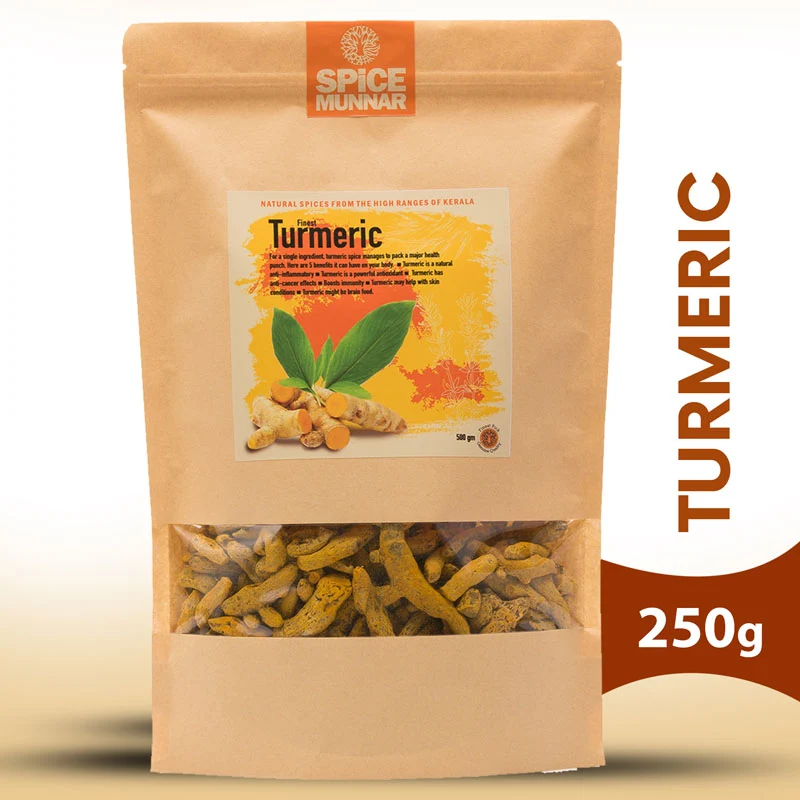
Turmeric
The most common trick with turmeric powder is adding a synthetic dye — usually metanil yellow — to make a cheaper, duller batch look bright and premium. Drop a spoon of turmeric into a glass of water and let it sit without stirring. Pure turmeric settles slowly and colours the water a soft, even yellow. Adulterated turmeric often releases colour almost instantly in streaks, because the dye dissolves faster than the actual turmeric particles do.
Chilli powder
Brick powder or added colour is a common concern with adulterated spices in India, especially in chilli powder. These substances may be added to make pale or old chilli stock look fresher and redder than it really is. Rub a pinch between your fingers. Pure chilli powder has a natural oily feel, while adulterated batches may feel gritty or chalky. You can also drop a pinch into water. Genuine chilli powder disperses gradually, while heavier materials such as brick powder or sand may sink and settle quickly.
Black pepper
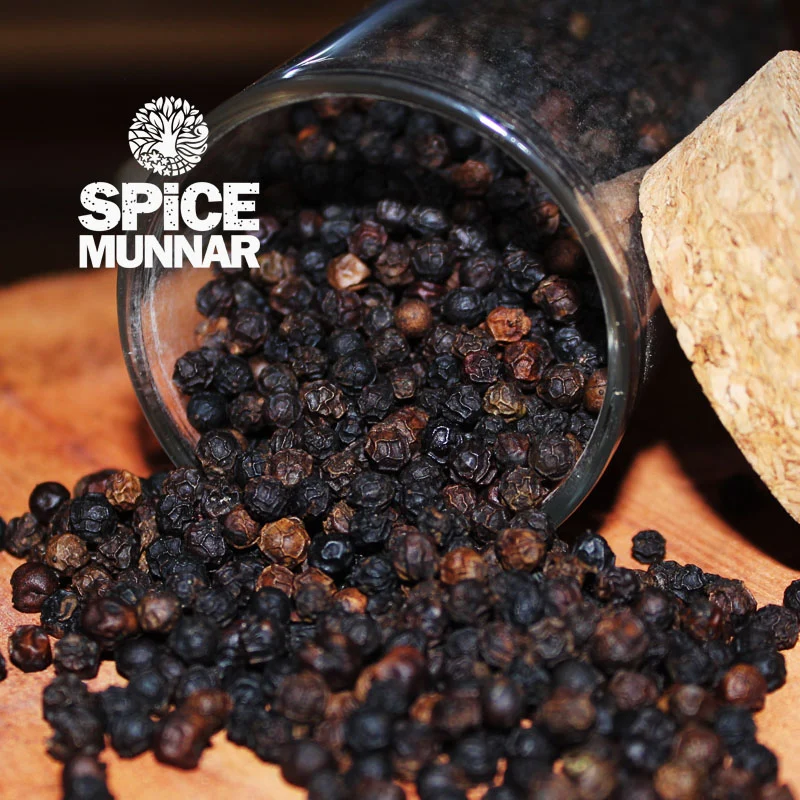
Papaya seeds, dried and treated to look like peppercorns, are a known adulterant in loose pepper. They can look convincingly similar at a glance, but they crush much more easily than genuine peppercorns, which are dense and require real pressure to crack. If a “peppercorn” crushes under light thumb pressure, it may not be genuine pepper. For those looking for authentic Kerala spices, checking the appearance, texture, and firmness of whole peppercorns can help identify suspicious batches.
Cardamom
Cardamom is harder to fake outright — the pod shape is distinctive — but the more common issue is old stock being sold as fresh. Aroma is the real test: crush a pod and smell it immediately. Weak or musty aroma, or a shell that looks dried out and brittle rather than firm, both point to cardamom that’s been sitting in storage far longer than it should have.
Why sourcing matters more than branding
None of this means every unbranded or open-market spice is adulterated — plenty aren’t. But it does mean that the more hands and middlemen a spice passes through before it reaches you, the harder it becomes to trace where quality control actually happened, or if it happened at all. Fresh vs. old spices is another factor to consider. Fresh spices usually have a stronger aroma, brighter natural colour, and more pronounced flavour, while old spices can lose their aroma and flavour over time.
This is really the core argument for buying spices with a clear, stated origin rather than a generic “sourced from India” label. When a seller can tell you the region a spice came from, not just the country, it’s usually because they’re closer to the farm and have fewer opportunities for someone else to tamper with the batch along the way. It’s not a guarantee, but it’s a meaningfully shorter chain of trust than anonymous bulk sourcing — which is the whole reason regional-origin spices from places like Munnar are worth seeking out over generic supermarket blends.